
Misconceptions
In the past, marriage and child-rearing were seen as inappropriate activities for women with epilepsy. These unfortunate and misguided attitudes were often based on the following mistaken ideas: 1. epilepsy is always inherited; 2. the behaviour of people with epilepsy is unpredictable, hence unsuitable for child-rearing.
This is untrue. More than 90 per cent of women with epilepsy have healthy babies without seizure disorders. Most women with epilepsy lead healthy, active lives.
%
of women with epilepsy have healthy babies without seizure disorders
Negative Attitudes and Stigmas
Unfortunately, negative attitudes and stigmas towards women with epilepsy still prevail from puberty to old age.

Marriage rates for women with epilepsy are lower than those of men with epilepsy.

Many women with epilepsy are subjected to abuse and violence in every manner (i.e. sexual, emotional, physical, financial, social).
This can affect a woman’s well-being. To protect her livelihood and reduce the stigma, a woman living with epilepsy can take an active role in educating herself and others about the type(s) of seizure(s) she experiences.
Recent studies have shed new light on our understanding of the particular concerns of women with epilepsy. Here you can learn more about how seizure disorders relate to the various phases of a woman’s life from puberty to menopause.
Here you can learn more about how seizure disorders relate to the various phases of a woman’s life from puberty to menopause.
Jump to

Adolescence
Adolescence can be an emotional, psychological, social and physical roller coaster ride. It is a time of establishing self-identity and gradually building independence. Epilepsy can complicate this important stage in life.
Although many young women with epilepsy adjust well, some isolated and feel their peers cannot relate to the hopes, fears and challenges they face. Parental overprotectiveness can have adverse effects on a young person’s health. It can provoke rebellious behaviour with severe repercussions such as neglecting medication. While the severity of the seizures is always the determining factor, parents need to negotiate appropriate levels of independence with their daughters.
Sexuality
Emerging concerns about sexuality are normal for adolescents. Young women need accurate information about normal sexual development. Keep in mind any problems that arise may be the consequence of any number of factors, not purely epilepsy.
Having epilepsy does not exclude a young woman from having a well-rounded and active life. Nevertheless, adolescent females often worry excessively about:

Dating

Relationships
Marriage

Pregnancy

How all of the above relate to epilepsy
It is important to reassure them that epilepsy does not define who they are. It is only one aspect of a multi-faceted life.
Relationships and Disclosure
Disclosing epilepsy can be a difficult decision. It may be less stressful to share this information early in a relationship. It is important to remember that epilepsy is not the most important fact about any person. If a person can control the seizures through medication or some other treatment, disclosure could wait until the person decides it is relevant to the relationship.

Menstruation
For more than 100 years, studies have examined the relationship between seizures and menstruation. Findings show fluctuations in female hormones prior to and during menstruation may elevate seizure frequency in some women.
In a small percentage of women, catamenial seizures may occur only during the days just before or during their period. Higher ratios of estrogen to progesterone may increase seizure frequency. Contributing causes include water retention, electrolyte imbalance and even poor sleep.
Associated Seizures
There is a demonstrated connection between menstruation and seizures in women with simple partial, complex partial and generalized tonic-clonic seizures.
Different types of seizures are associated with different phases of a woman’s menstrual cycle.

Absence seizures
More seizures during days 16 to 28 of the average menstrual cycle and the least seizures during periods
Partial seizures
Fewer seizures during days 16 to 28 and more seizures just prior to ovulation and during periods
Other Concerns
Women with epilepsy (especially those who have complex partial seizures) have reported menstrual disorders such as:

Amenorrhea
Absence of menstruation

Oligomenorrhea
Scanty menstruation

Irregular Cycles
Cycles of irregular length

Changes
Absence of changes in cervical mucus
Anticonvulsant medication can further aggravate mood swings, often pronounced prior to and during menstruation. If mood swings become problematic, women should discuss adjustments to medication with their physicians.
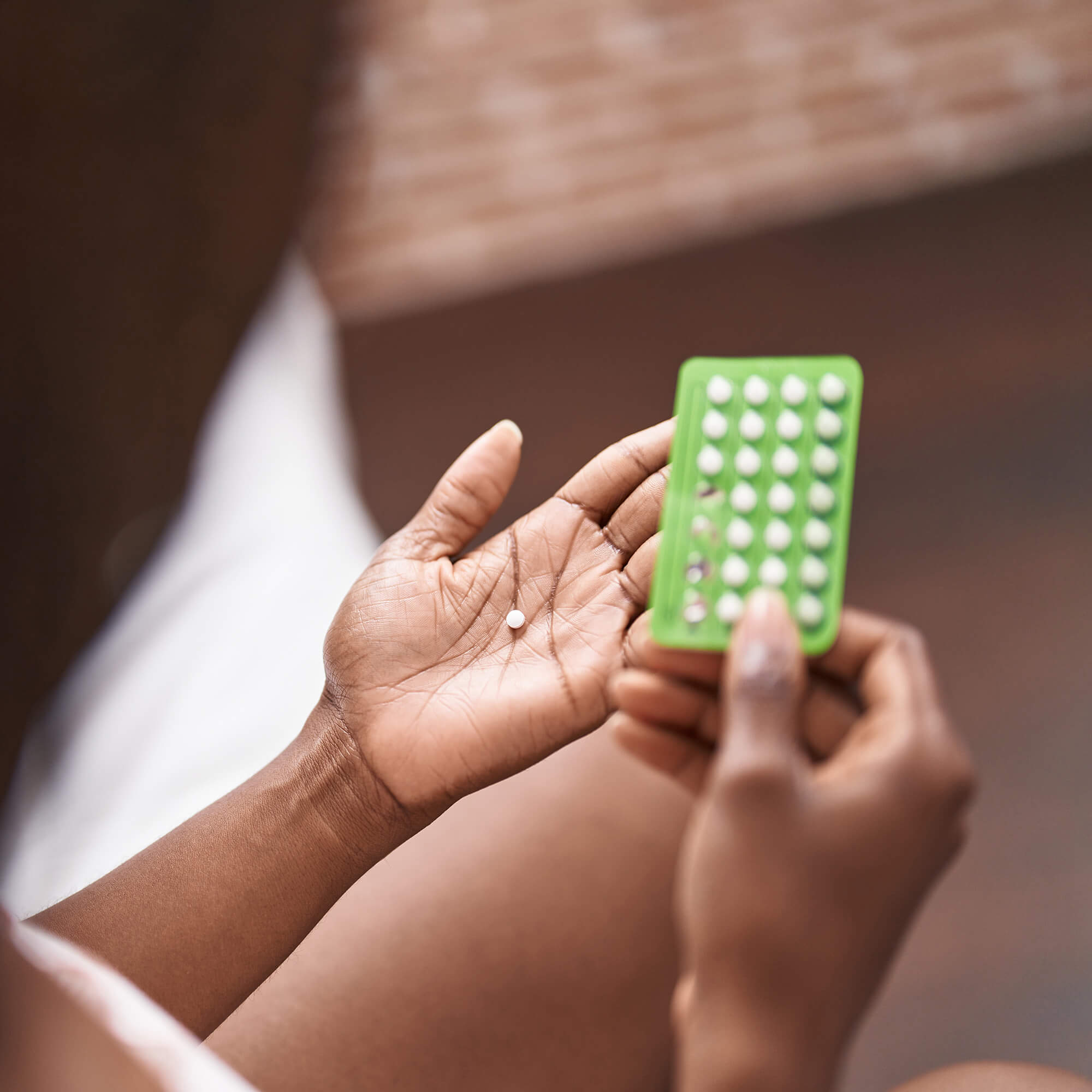
Birth Control
Before deciding to use oral contraceptives, women who take anticonvulsant medication should consult their physician. Certain types of anticonvulsants can impair the effectiveness of birth control pills and cause breakthrough bleeding.
Not all anticonvulsants interact negatively with birth control pills. Physicians may recommend an oral contraceptive with a lower estrogen content or an alternative birth control methods.
Pre-Pregnancy Planning
Consult with Your Healthcare Provider
If you are planning a pregnancy, arrange an appointment with your healthcare provider several months in advance to discuss the best way to manage your epilepsy during pregnancy. You may also want to have a pre-pregnancy consulation with an obstetrician.

Fertility
Over the past 50 years, studies have shown lower fertility rates in women and men who have epilepsy.
Libido
Certain anticonvulsant medications may cause side effects that include diminished sexual interest. Both men and women can experience decreased libido depending on the medication they take and how their bodies interact with it. This is more frequently reported with the use of phenobarbital or primidone, but not phenytoin or carbamazepine.
Pregnancy
The Role of Heredity
Epilepsy is seldom an hereditary condition and does not impair the normal development of intelligence and personality. There are exceptions in a very small number of cases in which certain brain wave patterns are associated with a particular seizure type. Physicians may suggest genetic testing if pertinent.
If one parent has this type of genetic epilepsy, the child has about a 10 per cent chance of developing epilepsy. (Children of parents who do not have epilepsy have a 1 to 2 per cent chance of developing epilepsy at some point in their lives.)
If both parents have epilepsy that is hereditary in nature, the child has a 25 per cent of developing epilepsy. It is reassuring to note that even if a child does inherit this type of epilepsy, medication often controls the seizures very successfully.
Seizures During Pregnancy
By the Numbers
Approximately 50 per cent of all women with epilepsy have increased seizure frequency during pregnancy.
Slightly less than half of all women with epilepsy have no particular change in seizure frequency.
A small percentage of all women with epilepsy have reduced numbers of seizures during pregnancy.
Why do seizures change during pregnancy?

Swings in hormone levels during pregnancy.

Changes in body fluid and salt retention.

Alterations in the way the body absorbs, distributes and eliminates anticonvulsant drugs.
It is important for women to see their physician regularly during pregnancy and three to four months postpartum. This allows the physician to carefully monitor anticonvulsant drug levels and adjust dosage as necessary. More frequent blood level measurements are necessary as the mother’s extra body weight and fluid retention changes during pregnancy.
During the third trimester, a woman often experiences loss of sleep or poor sleep. Altered sleep patterns can sometimes cause an increase in seizure frequency. A pregnant woman should try to get as much sleep as she can and rest whenever possible.
Important
It is natural for women to be concerned about the effect of seizures on the fetus. Most studies indicates the number of seizures during pregnancy has little effect on the baby except in rare cases of uncontrolled multiple seizures – status epilepticus.
Status epilepticus is life-threatening both to the mother and the baby. It is a serious medical emergency.
Possible Complications During Pregnancy
Women with epilepsy are considered to have high risk pregnancies. High risk indicates an increased likelihood of greater-than-average risks to the mother and/or the fetus. There are several complications that occur more often to women with epilepsy.
Eclampsia
This vascular disease is a serious pregnancy complication. In its final stages, it can cause brain hemorrhage, coma and death.
Weight gain and salt retention can lead to the development of an earlier stage of this disease, known as pre-eclampsia. Initial symptoms can include headache, hyperirritability and edema (swelling) of the body and face.
A physician will carefully monitor a woman’s blood pressure and check for protein in her urine – two indicators of the condition. At the first sign of pre-eclampsia, a physician will prescribe preventative measures including sedation, rest and the use of specific anti-hypertensive drugs.
Placental Problems
More prominent in women with epilepsy are complications including:
- Abrputio Placentae – premature separation of the placenta (The accompanying vaginal hemorrhage may severely inhibit the nutrition of the developing fetus.)
- Spontaneous rupture of the membranes
- An increased need to rupture the membranes artificially to begin delivery
Anti-Epileptic Drugs and the Developing Fetus
The birth of a “normal” baby without birth defects is a primary concern for all parents. Since all drugs present a possible danger to a developing fetus, it is understandable for a woman to be concerned about the effects of her anticonvulsant medication on her baby.
Nutrition
Certain anticonvulsants deplete the body of folic acid, an important vitamin that a fetus needs to develop. In partnership with a physician, a woman with epilepsy should ensure her diet is adequately supplied with folic acid.
A shortage of zinc because of anticonvulsants can cause fetal malformations including cleft palates. Because zinc deficiency is not physically obvious, a pregnant woman should have intensive nutritional counselling prior to and during pregnancy. Depending on the advice of a nutritionist, supplements up to twice the normal daily requirement could be recommended safely.
A unique bleeding problem in babies whose mothers take anticonvulsants may occur usually in the first 24 hours after birth. mothers can prevent this by taking vitamin K orally during the last two weeks of pregnancy. The regular dosage of vitamin K routinely given to the baby will not be adequate to prevent this phenomenon.
Labour and Delivery
This vascular disease is a serious pregnancy complication. In its final stages, it can cause brain hemorrhage, coma and death.
Weight gain and salt retention can lead to the development of an earlier stage of this disease, known as pre-eclampsia. Initial symptoms can include headache, hyperirritability and edema (swelling) of the body and face.
A physician will carefully monitor a woman’s blood pressure and check for protein in her urine – two indicators of the condition. At the first sign of pre-eclampsia, a physician will prescribe preventative measures including sedation, rest and the use of specific anti-hypertensive drugs.
Breastfeeding
Research indicates that babies do not suffer any harmful effects from traces of anticonvulsant medication found in breastmilk. The physiological and psychological benefits of breastfeeding to the mother and child are significant. If a woman wishes to breastfeed, she should be encouraged to do so. She should discuss any concerns she has with a physician during prenatal visits.
Babies who are bottle fed may experience temporary withdrawal symptoms such as tremors and agitation. This is a natural reaction as the babies are no longer receiving the amount of anticonvulsant medication they received in utero.
Practical Concerns for Women with Small Children
The safety of babies and small children can be a significant concern for women with epilepsy. Women who experience an aura before a seizure can prepare themselves and their children for the seizure. Seizures that occur irregularly and without prior warning put people at a considerable disadvantage.
Recommended Safety Precautions
- When bathing a baby, it is preferable to wash the baby on a mat in the crib, with a bowl of water outside the crib. If you are alone, a baby should not be bathed in an adult or baby bath.
- A well-padded easy chair is a safe, comfortable place to breast- or bottle-feed a baby. If a rocking chair is used, pad the arms with towels and use extra pillows to cushion the child. The mother can also lie on her side to feed the baby.
- Ensure there is a portable crib or playpen on each level of the home.
- Make sure medications are safely locked away, out of a young child’s reach. When the child can understand, explain why you take the medication and tell him/her about any seizure you may have. Children can learn to help you and help care for younger siblings during a seizure.
- Secure an outside play area with a sturdy fence and a locked gate. If taking a young child for a walk in a stroller, attach a safety harness to the child. Discreetly affix a tag or sticker on the stroller with the baby’s name and the name of a relative or emergency caregiver to contact in the event of a seizure. If taking a toddler for a walk without a stroller, continue to use a wrist harness until the child is old enough to fully understand that s/he must stay close to you if you have a seizure.
General Recommendation
If possible, inform neighbours of your seizure disorder, describing what they can do to assist you should the need arise. Post emergency phone numbers in a prominent location where neighbours or your children can obtain them quickly.
Many women with epilepsy feel vulnerable, especially when they have the additional responsibility of caring for children. Specially-trained service dogs can provide invaluable assistance and protection.
with your healthcare provider several months in advance to discuss the best way to manage your epilepsy during pregnancy. You may also want to have a pre-pregnancy consulation with an obstetrician.


Menopause
Studies indicate seizure frequency often decreases during menopause, especially if seizures had been related to menstruation. Findings suggest epilepsy improves during menopause if epilepsy started later in life and if seizures have always been infrequent. Sometimes epilepsy may completely disappear.
Some increases in seizure frequency are found in women who have frequent tonic-clonic or complex partial seizures. Women who experience complex partial seizures have a higher rate of premature menopause than those who have other types of seizures.
During menopause, fluid retention may also increase seizure frequency. Occasionally, for unknown reasons, epilepsy may occur for the first time at menopause.
To date, there is insufficient data to evaluate the impact of hysterectomy (surgically induced menopause) on the frequency of seizures.